We’re building the operating system for last-mile mobility.
India’s delivery economy moves millions of people and packages every day. We don’t think the next gain comes from putting more electric vehicles on the road. It comes from making every vehicle already out there more productive.
One platform. Three kinds of partner.
Onboarding and KYC · subscriptions · collections · allocation · uptime · support
We connect capital, local operations and delivery riders into a single mobility platform.
EVs aren’t the problem. Mobility is.
Electric two-wheelers already solve the cost side of the equation — roughly ₹0.30 per kilometre in electricity against about ₹2.80 on petrol. Adoption still stalls, and not because vehicles are unavailable.
- A rider who needs a quality EV cannot put ₹1 lakh on the table for one.
- A fleet owner who buys vehicles then has to keep them utilised, every single day.
- Servicing, insurance, charging and recovery sit with a dozen unconnected vendors.
- Every hour a vehicle is off the road comes straight out of someone’s earnings.
- A second city means rebuilding the whole operation by hand.
Everyone owns part of the problem.Nobody owns the system.
The vehicles exist. The riders exist. The demand exists. What is missing is the layer that makes the three work together, every day, at scale.
Value comes from utilisation, not ownership.
A delivery vehicle only creates value while it is on the road. Every hour it spends parked, waiting on a workshop or sitting idle between riders is income lost for the rider and return lost for whoever paid for it.
So the constraint was never supply. It is the absence of a standardised operating layer that keeps vehicles productive, payments disciplined and operations repeatable. FiEV is being built to be that layer.
We don’t own the fleet. We operate the system behind it.
We own no vehicles. That is the design, not a gap in it.
Three consequences of not owning the asset.
No balance sheet tied up in depreciating scooters, so growth is not gated by how much we can afford to buy.
Returns come from keeping vehicles utilised, not from owning more of them.
A new city is a deployment of an operating model, not a fresh fleet purchase.
Mission, vision and the way we work.
Mission
To make electric mobility affordable, accessible and operationally efficient for every delivery partner — while enabling fleet owners and franchise partners to build sustainable businesses around it.
Vision
To become India’s most trusted EV-as-a-Service platform by building the operating infrastructure that powers last-mile delivery.
Execution over promises
Consistent execution is what earns trust. Every workflow is written down, measured and improved.
Riders first
A vehicle isn’t transport. It is someone’s livelihood. Everything we build starts there.
Capital works harder
Idle assets destroy value. Higher utilisation makes the business stronger for everyone in it.
Technology serves operations
Software doesn’t replace people. It helps people operate better.
One city, proven. Then the next.
Delhi
250+ scooters out with delivery partners across the city, and open to any rider who qualifies.
Validate
Utilisation, collections and unit economics, measured under real operating conditions.
Lucknow
The same operating model, run locally by franchise partners.
More cities
Expansion led by partners and their capital, not by our balance sheet.
We would rather prove one city than announce five.
Who’s building it.
Two founders, one platform, and a pilot fleet to prove it works.
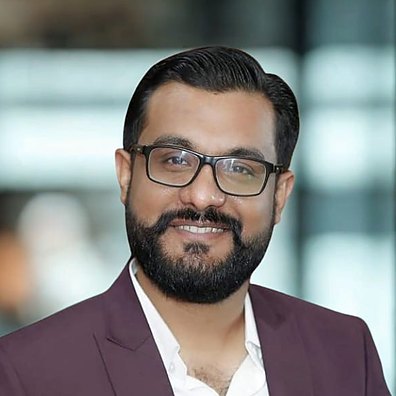
Aijaz Umar
Leads business strategy, partnerships and operations across the Fleet and Franchise network.

Mohd Zaul Haque
Leads the technology platform — rider app, franchise dashboard and the central operations system.